A ship hull is made up of thousands of welded joints that join steel plates and sections into a single structure. Weld quality is therefore one of the most important factors in the strength and service life of a vessel.
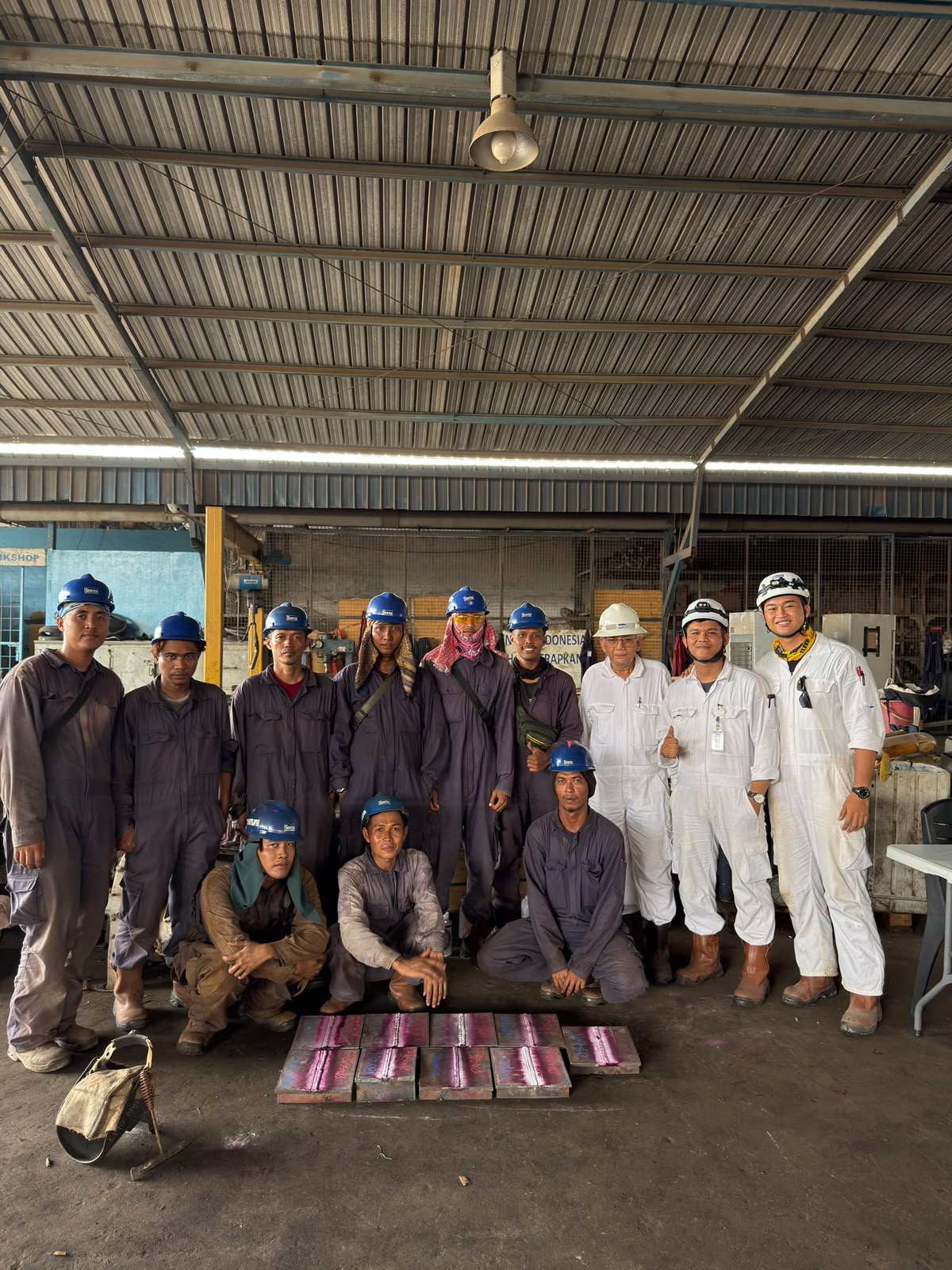
Good welding starts with a tested and approved Welding Procedure Specification and with welders qualified for the position and joint type they are working on. Material condition, surface cleanliness, and welding parameters must also be controlled throughout the job.
Once complete, welds are inspected visually and by non-destructive testing (NDT) such as ultrasonic, radiographic, or penetrant testing as required. The results are documented and witnessed by the classification society surveyor as part of the approval of the hull construction.